Ceiling stain spreading after a storm rolled through Huntington Beach? TipTop Beach arrives in about an hour, IICRC-standard, to extract, dry, and stop hidden attic damage.

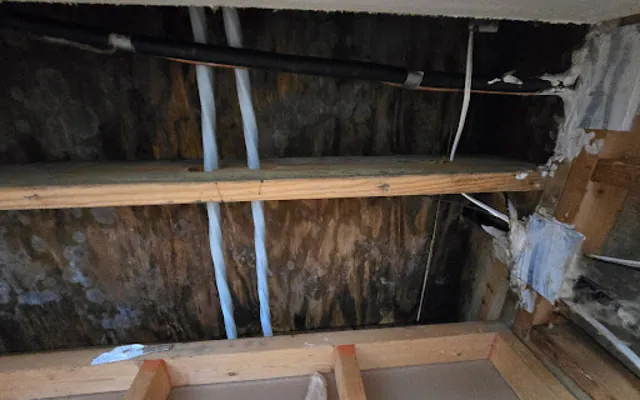
Crews trace the water path from the ceiling stain back into the attic, extract standing water, and identify the roof penetration point.
Saturated attic insulation and ceiling drywall are evaluated to decide what can be dried and what needs removal.
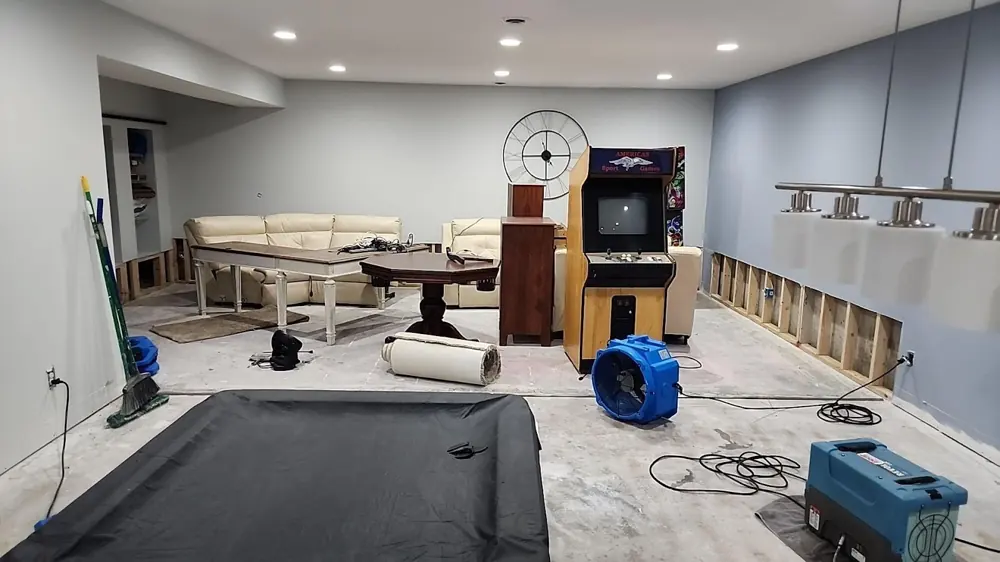
Air movers and dehumidifiers dry attic framing, ceiling joists, and drywall while crews monitor moisture daily.
Damaged drywall, insulation, and paint are restored, and crews coordinate with a roofer to close out the leak source itself.

While help is on the way, these first steps, done only where it is safe, limit the damage and protect the insurance claim.
Shut the supply off at the source, or close the home's main valve if the source is not obvious. Stopping the flow limits the damage more than anything else.
Switch off electricity to the affected area, but only if the breaker can be reached without standing in or touching the water.
Get a crew dispatched right away. The sooner extraction and drying begin, the more flooring, drywall, and belongings can be saved.
Take photos and a short video of the water and the affected rooms before anything is moved, so the insurance claim starts strong.
Roof leak water damage cleanup in Huntington Beach generally runs $800 to $6,000, depending on how much attic insulation and ceiling drywall were affected and how long the leak went unnoticed. Sudden storm-driven leaks are often covered by homeowner's insurance, while long-term roof maintenance issues may not be, so crews document the cause carefully.
Crews reach Huntington Beach and the Orange County coast fast, from Downtown Huntington Beach and Huntington Harbour to Sunset Beach, Southeast Huntington Beach, and nearby Fountain Valley and Westminster. See the full list on the areas served across Huntington Beach page.
See all areas servedEvery loss is photographed, measured, and logged from the first visit, so the paperwork holds up with your insurance carrier.
Technicians follow recognized IICRC drying standards and prove the work with daily moisture readings, not guesswork.
Emergency dispatch any hour of the day or night, with a real crew on the way, not a callback in the morning.
A real crew dispatched any hour, not a callback in the morning.
Trained technicians following recognized IICRC drying standards.
Truck-mounted, portable, and submersible for any size loss.
The loss is documented and billed to the carrier directly.
A ceiling stain, sagging drywall, or a musty attic smell are the main signs. Because water often travels before it shows on the ceiling, crews check attic insulation and framing even when the visible stain looks small.
Crews focus on the water damage restoration inside the attic and ceiling, and crews coordinate directly with a roofing contractor to repair or replace the roofing material itself so the leak does not recur.
Sudden damage from a storm is typically covered under homeowner's policies, while damage from a roof that was already worn out or poorly maintained may be excluded. Crews document the likely cause to support your claim.
Most attic and ceiling sections dry within four to six days with dehumidifiers and air movers running continuously. Larger areas or thicker insulation can take longer, and crews monitor moisture daily until it is safe.
Yes, especially in the mild, humid coastal air around Huntington Beach, mold can begin within 24 to 48 hours if insulation and framing stay wet. Fast extraction and continuous drying are the best way to prevent it.
Huntington Beach crews are on call 24 hours a day, local and fast, and can be on the way within the hour.
Call (949) 670-2603